
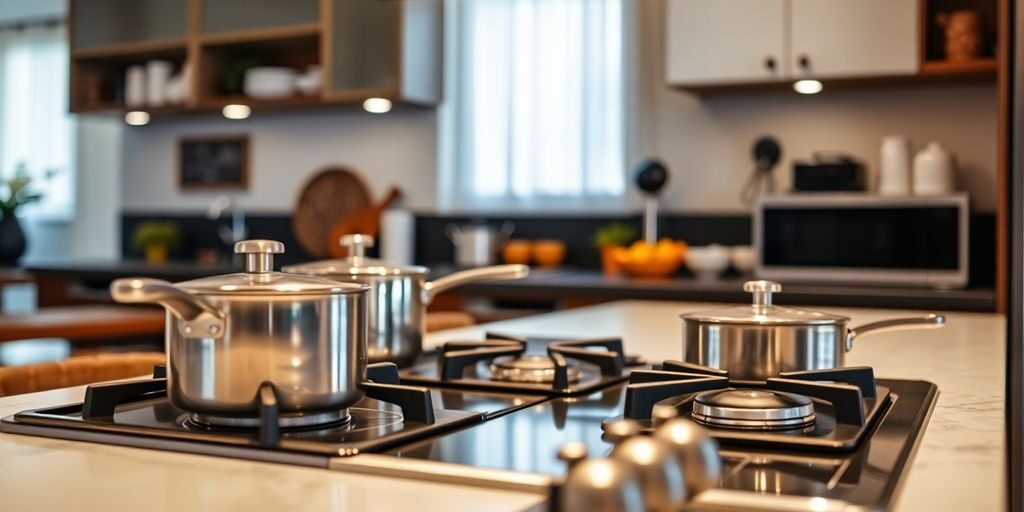
Hey, so you’re thinking about piped gas for your home in Belo Horizonte? It’s a pretty smart move. With the whole city vibe and all, piped gas can really make life easier. No more lugging around those heavy gas bottles. Plus, it’s usually safer and more reliable. Let’s dive into what makes residential piped gas a good choice, how it works, and what you should know if you’re considering it.
Key Takeaways
- Piped gas offers convenience and safety over traditional bottled gas.
- Understanding the installation process can help you choose the right company.
- Regular maintenance is key to ensuring the safety of your gas system.
- Switching to piped gas can save you money in the long run.
- Keep an eye on local regulations to stay compliant with your gas system.
Understanding Residential Piped Gas Systems
Benefits of Piped Gas Over Bottled Gas
Switching from bottled gas to piped gas in your home can make life a lot easier. Piped gas is all about convenience. You don’t have to worry about running out of gas in the middle of cooking dinner. It’s always there, ready when you need it. Plus, with piped gas, you don’t have to lug around heavy gas cylinders anymore. It’s like having an endless supply of energy right at your fingertips.
Another big plus is safety. Piped gas is generally safer than bottled gas because it reduces the risk of leaks and explosions. It’s lighter than air, so if there’s a leak, it disperses quickly, lowering the chances of something bad happening. Also, you won’t have to store those big, bulky cylinders in your home anymore, which is a win for both safety and space.
Common Myths About Piped Gas
There are a few myths floating around about piped gas that just aren’t true. Some folks think it’s more expensive than bottled gas, but when you look at the long-term costs, piped gas often comes out cheaper. You’re paying for what you use, not wasting money on unused gas left in a cylinder.
Another myth is that piped gas isn’t as powerful. In reality, piped gas can provide a consistent and strong energy supply, perfect for everything from cooking to heating water. And let’s not forget about the myth that it’s hard to switch to piped gas. The truth is, the transition can be smooth and hassle-free with the right help.
How Piped Gas Systems Work
Ever wondered how piped gas actually gets to your house? It all starts with natural gas transmission pipelines that transport gas over long distances. These pipelines are like the highways for gas, connecting big supply points to local distribution networks.
Once the gas reaches your neighborhood, it travels through a network of smaller pipes right into your home. These systems are designed to be super efficient and reliable. The gas is delivered at a low pressure, which makes it safe for residential use. Plus, these systems are monitored to ensure everything’s running smoothly, so you can just relax and enjoy the benefits of piped gas.
Installation Process of Residential Piped Gas in BH
Steps Involved in Installation
Getting piped gas installed in your home in BH involves several key steps. First, a thorough inspection of your property is done to assess the layout and determine the best piping routes. Then, the design phase begins, where experts plan how the gas will be distributed throughout your home. Once the design is approved, the actual installation can start, which includes laying pipes, connecting them to the main gas line, and ensuring everything is secure and leak-proof. Finally, a comprehensive test is conducted to ensure the system is working correctly.
Choosing the Right Installation Company
Selecting a reliable company for your gas installation is crucial. Look for a company that not only has a solid reputation but also offers a comprehensive service package. Consider companies that use advanced technologies like the Zap-Lok mechanical pipeline connection system for a safer and more cost-effective installation. It’s also wise to check reviews and possibly get recommendations from friends or family who have had similar installations.
Safety Measures During Installation
Safety cannot be overstated when dealing with gas installations. During the process, technicians should adhere to strict safety protocols. This includes using high-quality materials, ensuring proper ventilation, and conducting pressure tests to detect any potential leaks. Homeowners should also be informed about emergency procedures in case of a gas leak. Ensuring safety at every step is vital to prevent future hazards.
“A meticulous approach to installation not only guarantees a smooth process but also safeguards your home and loved ones.”
Maintenance and Safety of Piped Gas Systems

Regular Maintenance Tips
Keeping your piped gas system in top shape isn’t just about safety—it’s about peace of mind. Regular check-ups can prevent major issues down the line. Here are some essential practices:
- Schedule annual inspections with a qualified technician.
- Check for any unusual smells or sounds around your gas appliances.
- Ensure that all gas connections are secure and not showing signs of wear.
These steps are part of the essentials for maintaining gas pipelines, which include safety, inspection, and leak detection.
Identifying Gas Leaks
Gas leaks are a serious matter and can be dangerous if not addressed quickly. Here’s how you can spot them:
- Smell: A strong, rotten egg odor is a classic sign of a gas leak.
- Sound: Hissing or whistling near your gas line can indicate a leak.
- Sight: Look for dust blowing from a hole or bubbles in wet areas.
If you suspect a leak, turn off the gas supply immediately and contact a professional.
“In the event of a gas leak, do not switch on any electrical devices or lights. Ventilate the area by opening windows and doors.”
Emergency Procedures for Gas Leaks
In an emergency, knowing what to do can save lives. Here’s a quick guide:
- Evacuate everyone from the premises immediately.
- Avoid using any electrical devices or open flames.
- Call your gas company or emergency services from a safe location.
Remember, safety is the priority. Being prepared with a plan can make all the difference.
Cost and Efficiency of Residential Piped Gas

Comparing Costs with Other Energy Sources
When it comes to energy expenses, residential piped gas often emerges as a more economical choice compared to other energy sources. The cost-effectiveness of piped gas is largely due to its regulated tariffs and the absence of storage or delivery fees. Unlike bottled gas, which might fluctuate in price due to supply chain issues, piped gas offers a stable pricing model. Here’s a simple breakdown of how piped gas compares to other common energy sources:
| Energy Source | Average Cost (R$/m³) | Additional Fees |
|---|---|---|
| Piped Gas | 18.69 | None |
| Bottled Gas | Varies | Delivery and Storage |
| Electricity | High | Seasonal Fluctuations |
Long-term Savings with Piped Gas
Switching to piped gas isn’t just about immediate cost savings. Over time, homeowners can see significant reductions in their energy bills. With piped gas, you only pay for what you use, eliminating the need for pre-purchase and storage of gas bottles. Moreover, the consistent supply means no more emergency runs to the store when your gas runs out unexpectedly. The long-term savings are not just financial; they extend to the durability of appliances. Piped gas systems tend to be gentler on equipment, reducing wear and tear and extending the lifespan of your appliances.
Efficiency of Piped Gas Systems
Piped gas systems are designed for optimal efficiency, providing a constant, reliable supply of energy. This efficiency translates into better performance for gas-powered appliances, from stoves to water heaters. Piped gas burns cleaner, which means less residue and maintenance for your appliances. Additionally, the continuous supply ensures that you don’t face interruptions, which can be common with other energy sources. This reliability is particularly beneficial in households where energy needs are high or fluctuating, such as during family gatherings or colder months.
Embracing piped gas can lead to a more predictable and manageable energy budget, freeing up resources for other household needs.
Converting Appliances for Piped Gas Use
Types of Appliances That Can Be Converted
Switching to piped gas can be a game changer for many households. Stoves, ovens, and water heaters are among the most common appliances that can be converted to use piped gas. The key here is ensuring that your appliance is compatible with natural gas or propane. Some appliances might already have a conversion kit included, while others might require purchasing one separately.
Cost of Conversion
Converting your appliances to use piped gas isn’t just about the convenience; it’s also about the cost. Typically, the conversion process can range from $100 to $300 per appliance. This cost includes the necessary parts and labor. However, if you’re converting an electric stove to gas, you’ll need to factor in additional costs for hiring a licensed electrician and gas plumber. This process involves replacing the existing 240-volt outlet with a 110-volt outlet, which can add to the overall expense.
Finding Qualified Technicians
Finding the right technician is crucial for a safe and efficient conversion. Look for technicians who are certified and have experience specifically in gas appliance conversions. You might want to ask for recommendations from friends or check online reviews. It’s also a good idea to get multiple quotes to ensure you’re getting a fair price. Remember, the cheapest option isn’t always the best when it comes to safety and quality.
Regulations and Compliance for Piped Gas in BH
Understanding Local Regulations
When it comes to residential piped gas in Belo Horizonte, staying on top of local regulations is key. Homeowners need to ensure their gas systems are installed and maintained according to municipal standards. These regulations are designed to keep everyone safe and prevent accidents. They cover everything from the materials used in the pipes to the qualifications of the technicians installing them.
Compliance Requirements for Homeowners
For homeowners, compliance isn’t just about following rules—it’s about peace of mind. Make sure your gas installation is certified by a recognized authority. Here’s a quick checklist to keep in mind:
- Verify that your installation company is licensed.
- Schedule regular inspections to catch any potential issues early.
- Keep all documentation of your gas system up to date.
Role of Gas Companies in Ensuring Compliance
Gas companies play a huge role in maintaining compliance. They are responsible for ensuring that their services meet all safety standards. This involves regular maintenance checks and providing homeowners with clear instructions on using their systems safely. Moreover, they’re often the first point of contact in case of any issues or emergencies.
It’s crucial to remember that safety in gas installations is a shared responsibility between homeowners and service providers. Regular checks and adherence to guidelines can significantly reduce risks.
Future Trends in Residential Piped Gas
Technological Advancements in Gas Systems
The world of residential piped gas is on the brink of some exciting changes. Smart meters are becoming a standard, allowing homeowners to monitor their gas usage in real-time, which can lead to more efficient energy consumption. Imagine getting alerts directly to your phone about unusual usage patterns or potential leaks. This not only boosts safety but also helps manage costs effectively.
Environmental Impact of Piped Gas
Switching to piped gas can be a greener choice. The combustion process is cleaner, producing less carbon dioxide compared to traditional fuels. This shift is crucial as we strive for better air quality and reduced greenhouse gas emissions. Moreover, piped gas systems eliminate the need for bulky storage tanks, which can often be an eyesore and a potential hazard.
Potential for Renewable Gas Sources
Looking forward, the integration of renewable gas sources is an exciting prospect. Biogas, derived from organic matter, is gaining traction. It can be seamlessly blended with natural gas, offering a more sustainable energy solution. This not only decreases our reliance on fossil fuels but also supports waste reduction efforts.
The future of residential piped gas is not just about convenience and efficiency; it’s about paving the way for a more sustainable and environmentally friendly energy landscape.
In summary, residential piped gas systems are evolving. With technological advancements, environmental benefits, and the potential for renewable sources, they are set to play a significant role in our energy future. As we look ahead, the focus will be on enhancing these systems to ensure they meet the demands of modern living while supporting global sustainability goals.
Conclusion
In the end, having piped gas in your home in Belo Horizonte is a pretty smart move. It’s not just about convenience, but also about safety and efficiency. With the right installation and maintenance, you can enjoy a reliable energy source that keeps your household running smoothly. Plus, with companies like Gasmec and Engethink offering top-notch services, you’re in good hands. So, if you’re considering making the switch, now might be the perfect time to reach out and get started. After all, a little investment today can save you a lot of hassle down the road.
Frequently Asked Questions
What is residential piped gas?
Residential piped gas is a system where natural gas is delivered directly to homes through a network of pipes, eliminating the need for gas bottles.
How is piped gas installed in a home?
A professional technician installs the gas pipes and connects them to your appliances. It’s important to hire a certified company to ensure safety and compliance with local regulations.
Is piped gas cheaper than bottled gas?
Yes, over time, piped gas can be more cost-effective than bottled gas because it is billed based on usage and eliminates the need for regular bottle replacements.
What should I do if I suspect a gas leak?
If you think there is a gas leak, leave the area immediately and call your gas company or emergency services. Do not use electrical devices or open flames.
Can all appliances use piped gas?
Not all appliances are compatible with piped gas. Some may need conversion kits to switch from bottled to piped gas.
What are the benefits of using piped gas?
Piped gas offers convenience, cost savings, and a continuous supply of energy without the need for bottle replacements.
Precisa de um profissional habilitado em Belo Horizonte ou região? A Engethink Engenharia é especialista em Projetos de Gás Natural e LP com responsabilidade técnica, ART e laudo. Entre em contato e solicite seu orçamento.


